
How to Tell if Your Windscreen Wipers Need Replacing
A 8-step guide to telling if your windscreen wipers need replacing.

- Wipers leaving streaks on glass. Worn-out wipers leave smears or lines that distort your view.
- Skipping or juddering. Blades jump or move unevenly across the windscreen.
- Squeaking or chattering. Loud squeaks or chatter sounds as the wipers move.
- Splitting or cracking. Visible cracks, splits, or frayed rubber along the blade edge.
- Missed or uneven areas. Wet patches remain after each wipe.
- Excessive noise or vibration. Scraping or shaking while the wipers operate.
- Brittle or damaged rubber. Rough, dry, or crumbling rubber that no longer flexes.
- Wiper age. Blades more than 12 months old, even if they look fine.
Your windscreen wipers are essential for keeping your view clear in rain, snow, and road spray. Over time, sunlight, dirt, and changing temperatures cause the rubber to wear down, often before you realise it’s happening.
If your wipers aren’t performing as they should, it’s important to know whether they simply need cleaning or full replacement. You can learn more about general upkeep in our windscreen wiper maintenance guide, but if you’re looking for signs that it’s time for new blades, start with the checklist below.
1. Streaking on the glass
If your wipers leave streaks or smears across the windscreen, it means the rubber edge is no longer making full contact with the glass. Streaks can distort your view, especially in low light or heavy rain. If cleaning your windscreen doesn’t help, it’s time to replace your wiper blades. Streaking is one of the first signs that the rubber has worn down.
2. Skipping or juddering
When blades jump or judder across the screen instead of gliding smoothly, it’s a sign that the rubber has hardened or the blade has warped. This uneven motion prevents effective clearing and can cause distracting vibrations. If your wipers continue to skip after cleaning the windscreen, replace them as soon as possible. Worn or misshapen blades won’t regain flexibility once the rubber has aged.
3. Squeaking or chattering
If you hear a loud squeak, squeal, or chatter from your wipers as they move across the windscreen, this could be an indication of worn or dry rubber. If cleaning the windscreen doesn’t solve it, replacement is usually the only fix.
4. Splitting or cracking
Inspect the edges of each blade closely. If you spot any cracks, splits, or frayed rubber, the blade won’t maintain even pressure, meaning it’s time to replace the wipers. Damaged rubber can’t be repaired and should always be swapped for new blades to restore full visibility.
5. Missed or uneven areas
When parts of your windscreen remain wet after each pass, your blades are no longer sitting flush against the glass. This often happens when the frame is bent or the wiper arm spring has weakened. If you notice this, replace your wiper blades straight away. Unfortunately, uneven contact can’t be fixed by cleaning alone and will only worsen over time, reducing visibility in heavy rain.
6. Excessive noise or vibration
If you hear scraping or feel vibration through the steering wheel while the wipers are running, it’s a sign the blade or arm may be misaligned. This can also mean the rubber edge has hardened and is no longer flexible. In this case, replace the wiper blades as soon as possible, as persistent noise or vibration means they’re no longer operating smoothly and could damage the windscreen if left unchecked.
7. Brittle or damaged rubber
Check the texture of the blade’s rubber. If it feels rough, dry, or has small chunks missing, it won’t clear water properly. Once the rubber begins to perish, it should be replaced immediately.
8. Wiper age
Even if your blades look fine, they should generally be replaced every 12 months. Seasonal changes, sunlight, and dirt all shorten their lifespan, and performance gradually declines before visible damage appears.

1. Check for streaking: streaking is when wiper blades leave lines of dirt and other sediments on the windscreen.
2. Look for skipping: Skipping is when wiper blades are not making contact with the windscreen.
3. Listen for squeaking: Squeaking is when the wiper blades make a lot of noise and squeal when they pass over the windscreen.
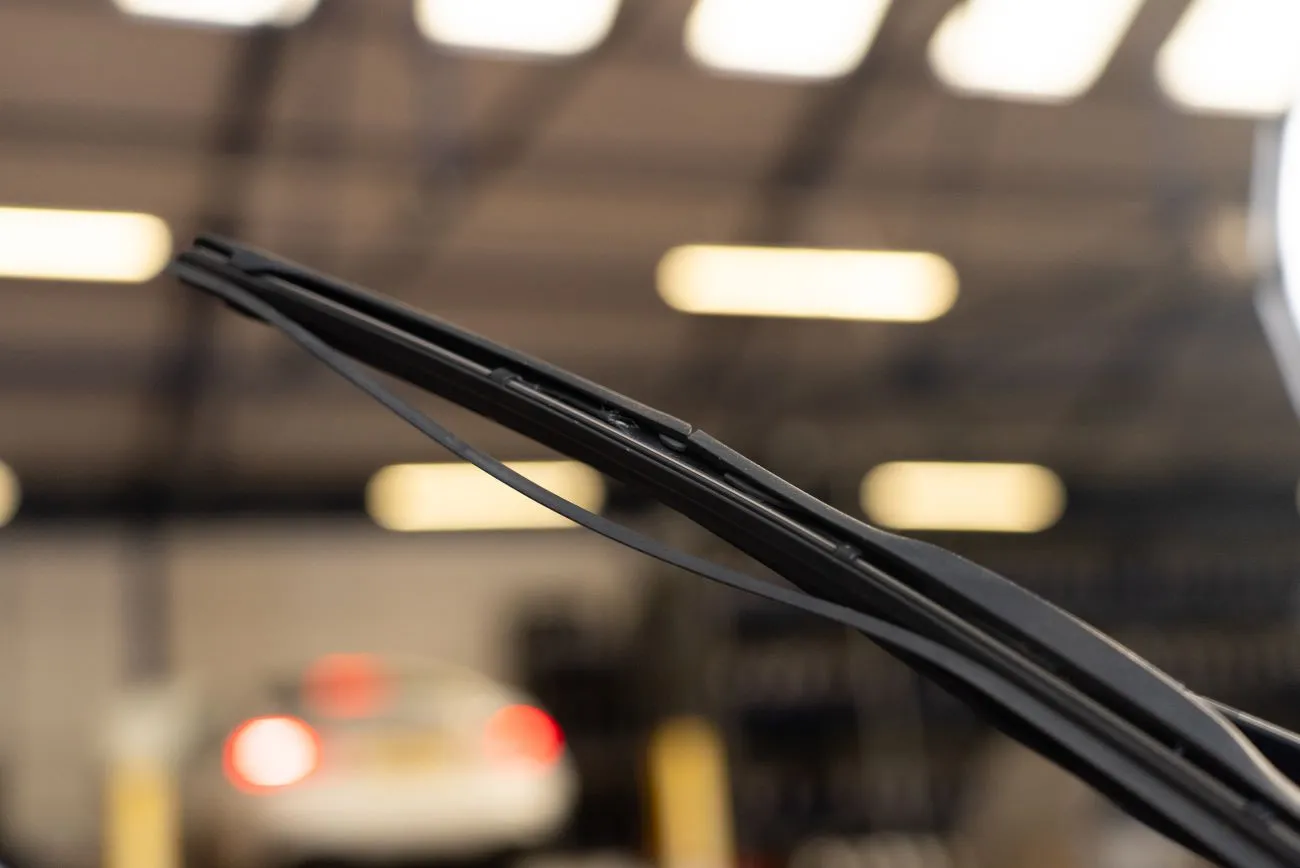
4. Inspect for splitting: Splitting is when wiper blades have visible cracks and splits in the rubber edge or ‘squeegee’.

5. Assess wiper age: Wiper blades should be replaced every 12 months, even if they seem fine.
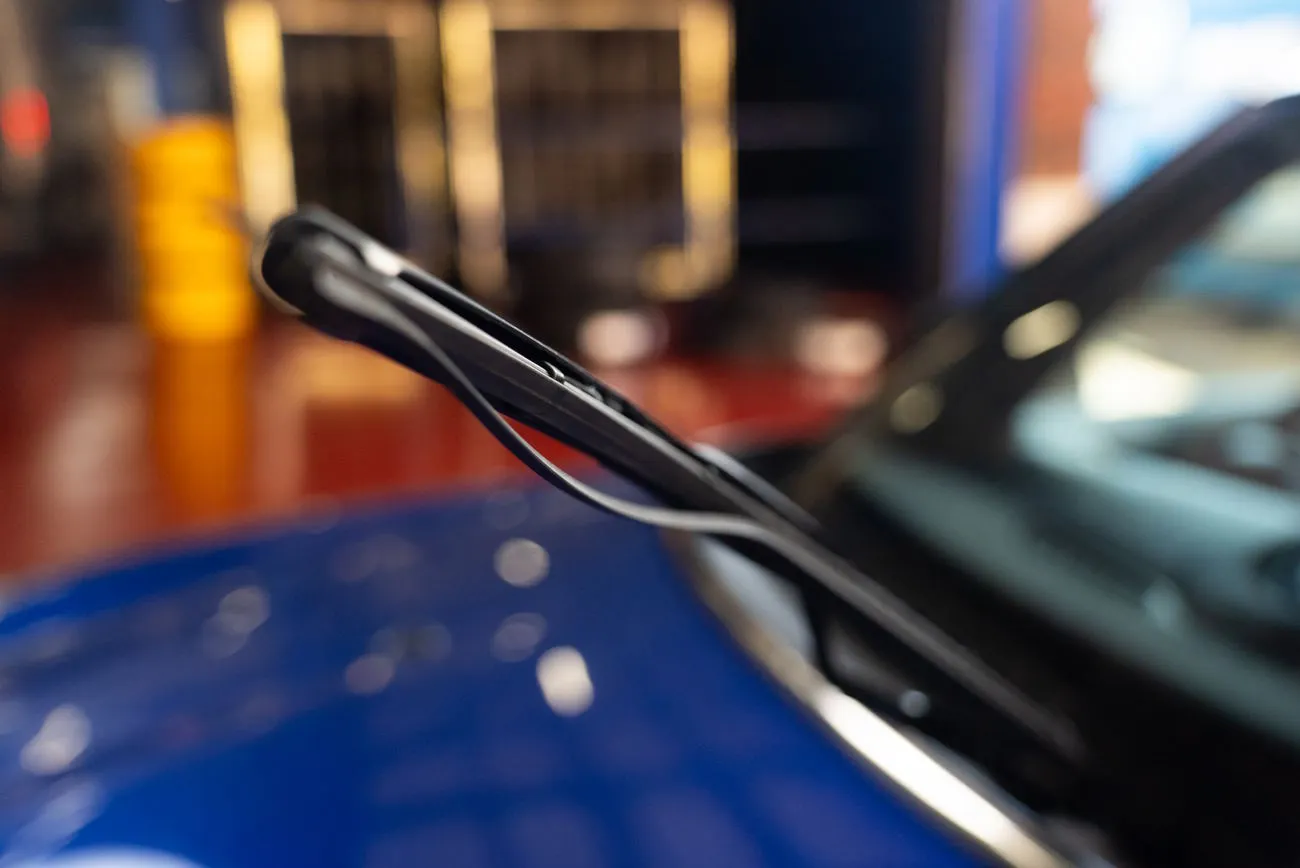
6. Examine the rubber: If the rubber is brittle or broken down, replace the blades as soon as possible.
Need replacement wipers?
If your windscreen wipers show any of these signs, replacing them promptly will help you maintain clear visibility and safer driving in all conditions.
You can use our windscreen wiper tool to find the right blades for your vehicle in seconds, or visit your nearest Kwik Fit centre for quick fitting and expert advice. Our technicians can ensure your new wipers are the perfect match for your car, so you can drive away with complete confidence, whatever the weather.